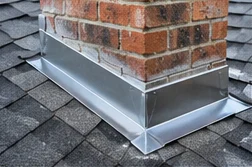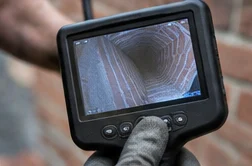
Chimney Cap Installation
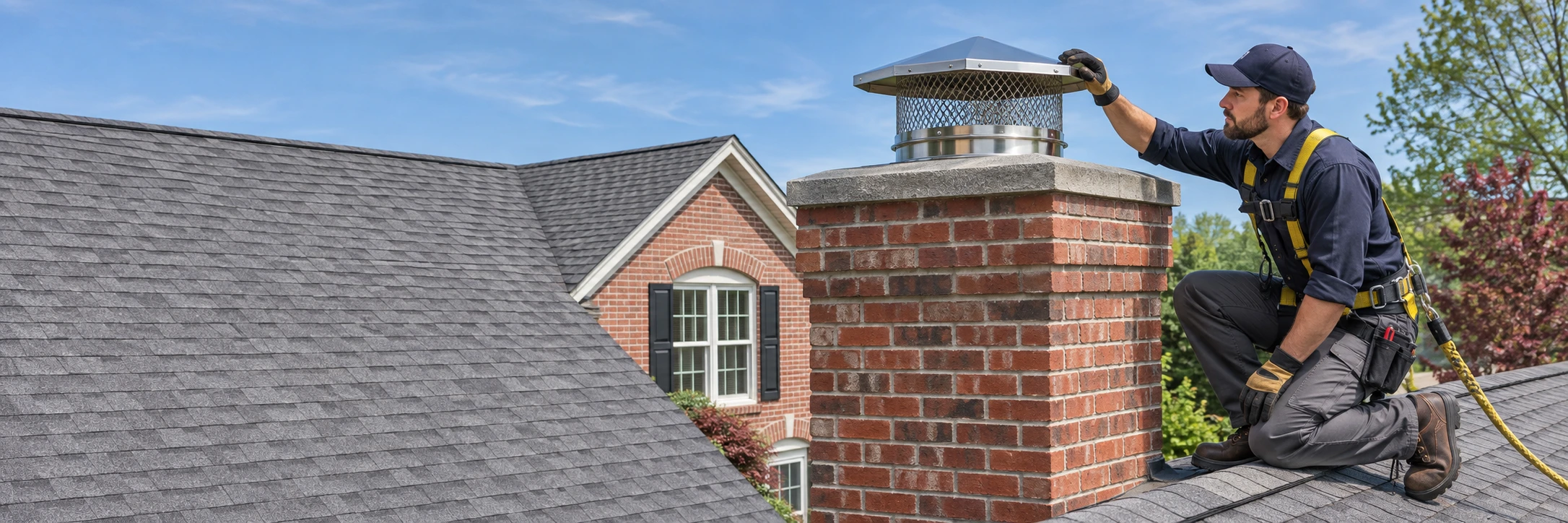
Fit a cap to help keep rain, debris, and animals out of the flue.
Get a free estimate →The parts of a chimney in the areas covered by this site age at different rates — mortar before brick, the damper before the firebox, the crown before the stack — and chimney Sweep checks each on its own clock.
 See service coverage
Learn about chimney liner installation options in Central Valley, New York. Contact Chimney Service Co for service availability.
Fit a cap to help keep rain, debris, and animals out of the flue.
Get a free estimate →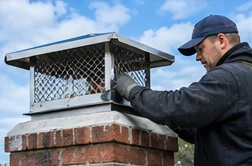
Check a loose or damaged cap and find out whether it can be repaired.
Get a free estimate →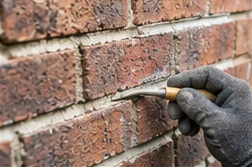
Replace a worn or missing cap with one sized for your chimney.
Get a free estimate →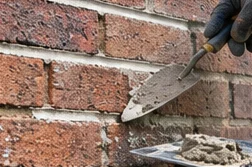
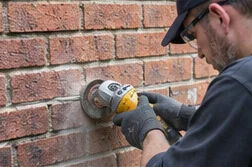
Repair cracks in the crown where water can seep into the masonry.
Get a free estimate →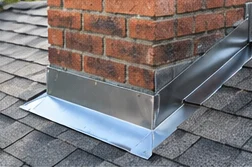
Tell us what you’ve noticed and share your ZIP code to check availability.
Get a free estimate →Chimney Liner Installation in Central Valley, New York is not a single task but a sequence — look first, clean or open what needs it, then decide what the evidence supports. A chimney in Central Valley, New York that draws well, stays dry, and burns clean is not an accident; it is the product of visits like chimney Liner Installation happening before small defects compound. In Central Valley, New York, chimney Liner Installation is the difference between guessing at a chimney's condition and knowing it — the flue either is clear and sound, or the visit shows where it is not.
Call (888) 258-0797Service video pending verification.
 Watch: Chimney Services
Service video pending verification.
We are a 5-star review company — every job is backed by free estimates and same-day service.
We are a 5-star review company.
We serve areas in the states below and Washington, DC. Contact us to check availability for your ZIP code.
Select a topic to read the complete original local information.
Chimney Liner Installation in Central Valley, New York is not a single task but a sequence — look first, clean or open what needs it, then decide what the evidence supports. A chimney in Central Valley, New York that draws well, stays dry, and burns clean is not an accident; it is the product of visits like chimney Liner Installation happening before small defects compound. In Central Valley, New York, chimney Liner Installation is the difference between guessing at a chimney's condition and knowing it — the flue either is clear and sound, or the visit shows where it is not.
What chimney Liner Installation finds in Central Valley, New York is written down as it is found, so the homeowner hears the condition of their own chimney rather than a general script. Booking chimney Liner Installation in Central Valley, New York puts a set of eyes inside a part of the house that is otherwise never seen: the inside of the flue and the top of the stack. In Central Valley, New York, chimney Liner Installation is booked for one of two reasons: routine care that keeps a sound chimney sound, or a defect that has announced itself and needs a name before it needs a repair.
A chimney is a working system, not just a brick stack: the firebox, damper, smoke chamber, flue, crown, and cap each do a job, and chimney Liner Installation in Central Valley, New York starts with how those parts are behaving together. Every chimney in Central Valley, New York has a history written in its flue: the wood that was burned, the fires that ran hot, the seasons it sat idle, and chimney Liner Installation reads that history before recommending anything. The chimney serving a home in Central Valley, New York works in heat, weather, and water at the same time, and chimney Liner Installation is the visit that checks how it is standing up to all three.
The visit for chimney Liner Installation in Central Valley, New York covers the firebox, the damper and smoke chamber, the flue, and the chimney top as one connected inspection path.
The 1 ZIP codes recorded for Central Valley are not a mailing list; they are the registry's evidence of where service pages are published for this area. The approved registry lists 1 ZIP codes for Central Valley, including 10917, and this page is written for Central Valley, New York from that registry record. Pages like this one are published for registry locations only, which is why Central Valley, New York has a page and an unlisted settlement nearby does not.
Sibling coverage around Central Valley — Smithtown, Somers, and Sound Beach — follows the same rule: a registry row first, then a page, never the other way round. The registry treats Central Valley as its own service locality, distinct from Central Islip and Chappaqua, and the content here is anchored to Central Valley's rows specifically. ZIP-level pages under Central Valley exist because the registry carries individual ZIP rows — 10917 among them — and each ZIP page is written for its own row.
The state hub for New York gathers the registry's 302 cities in one place, and Central Valley's pages link back to it as their parent in the registry tree. Coverage in New York is described city by city because that is how the registry is built: 302 city rows, each with its own ZIP rows beneath it. The registry row for Central Valley, New York is the reason this page exists: a page is generated only where the registry of record carries the location.
Within Central Valley, the ZIP rows — 10917 — mark the neighborhoods the registry distinguishes, and a ZIP page speaks to its own row rather than to the city at large. Central Valley sits in a state registry of 302 cities and 530 ZIP codes, and the coverage described here traces to those rows rather than to a general claim about the region. A reader in Central Valley, New York can verify the local footing of this page in its own facts: 1 ZIP codes for the city, named sibling cities, and the state totals behind them.
Chimney Liner Installation in Central Valley, New York is documented as it proceeds, so the homeowner can follow what was found at each stage rather than receiving a single verdict at the end. The finished liner gives the chimney a smooth, continuous, correctly sized passage from appliance to sky. In Central Valley, New York, that point matters in practice. In Central Valley, New York, chimney Liner Installation uses brushes, rods, and vacuums sized and chosen for the flue in question — a round metal flue and a square tile flue are not worked the same way.
Homeowners in Central Valley, New York often learn more about their chimney from one chimney Liner Installation visit than from years of burning fires in it, because the visit looks where fires cannot show them. The measure of chimney Liner Installation in Central Valley, New York is not the hour it takes but the state it leaves: a chimney whose condition is known, recorded, and acted on where it counts. For homes in Central Valley, New York, chimney Liner Installation distinguishes between what must be done now, what should be watched, and what is simply the chimney's age showing harmlessly.
The findings of chimney Liner Installation in Central Valley, New York are separated into cleaning findings, condition findings, and water findings, because each leads to a different next step. Sizing matters in both directions: an oversized liner lets gases cool and slow, while an undersized one restricts the appliance. In Central Valley, New York, that point matters in practice. In Central Valley, New York, chimney Liner Installation treats creosote as information as well as dirt — its amount and texture describe how the fireplace has been burned since the last visit.
Where chimney Liner Installation in Central Valley, New York finds a defect beyond its own scope, the finding is reported with its evidence instead of being folded quietly into the visit. The firebox is part of chimney Liner Installation in Central Valley, New York: its floor, walls, and refractory joints are checked for the cracking that direct heat eventually causes. During chimney Liner Installation in Central Valley, New York, the damper is worked through its full travel, because a damper that stops short changes draft and lets heated room air escape all winter.
The core of chimney Liner Installation in Central Valley, New York is the flue itself: its size, its lining, its buildup, and whether its joints are still closed. Chimney Liner Installation in Central Valley, New York begins with the condition of the system in front of the technician, not with the service name on the booking. In Central Valley, New York, chimney Liner Installation pays attention to the smoke chamber, the sloped chamber above the firebox where smoke gathers before entering the flue and where parging often fails first.
What chimney Liner Installation can achieve in Central Valley, New York depends on access — the firebox opening, the damper's travel, and whether the flue runs straight or offsets on its way up. Stainless steel liner systems are fed down the flue from the top, sized to the appliance the chimney serves, and connected at the bottom with a tee or an appliance connector. In Central Valley, New York, that point matters in practice.
The honest outcome of a liner assessment is sometimes that repair is not the safe option, and that finding is reported with the camera evidence behind it. That is how the topic presents in Central Valley, New York. For a home in Central Valley, New York, chimney Liner Repair is not an add-on but a distinct job with its own materials, access, and finish checks. Chimney Liner Repair in Central Valley, New York is the service most often paired with the lead topic on this page, and it is covered here so the two can be told apart.
Where a stainless liner has a failed joint or a damaged section, the affected length is replaced and the connections remade. For a home in Central Valley, New York, the practical reading is the same. Chimney Liner Repair in Central Valley, New York protects the parts of the chimney that chimney Liner Installation does not touch, which is why the two are so often scheduled in the same season. In Central Valley, New York, chimney Liner Repair is checked against the approved claims the same way as every service here: described by what it does, never by promises it cannot carry.
In Central Valley, New York, chimney Liner Repair finishes with the same standard as any service on this page: the affected component working, sealed, or sound, and the result explained in plain terms. Homeowners in Central Valley, New York sometimes book chimney Liner Repair expecting it to fix a symptom that belongs to chimney Liner Installation; the visit sorts out which is which before work starts. Heat damage after a chimney fire is a common cause, and tiles cracked by thermal shock are recorded along the full run, not just where the fire was seen. The point applies in Central Valley, New York exactly as described.
During chimney Liner Repair in Central Valley, New York, the same inspection discipline applies: evidence first, then work scoped to what the evidence shows. The registry page for Central Valley, New York carries chimney Liner Repair because the service is part of the full Chimney list of record, all nineteen services of which are published for this area. In Central Valley, New York, chimney Liner Repair addresses a different part of the system than chimney Liner Installation, and booking the right one starts with knowing which part has failed.
The materials used in chimney Liner Repair in Central Valley, New York are chosen for heat, weather, or water as the component demands — the chimney's three working conditions. For Central Valley, New York, the practical question chimney Liner Repair answers is narrow and useful: is this component doing its job, and if not, what exactly does it need. The need for chimney Liner Repair in Central Valley, New York usually shows itself indirectly — a leak whose source is elsewhere, a draft problem whose cause sits in another component.
In Central Valley, New York, chimney Liner Repair stands on its own as a bookable service; it is described here in depth because homeowners weigh it against chimney Liner Installation when they plan a visit. What chimney Liner Repair finds in Central Valley, New York is recorded alongside the lead service's findings, so the chimney's record for the visit is one document, not two partial ones.
Findings in Central Valley, New York are recorded in the order they are met — firebox, damper, smoke chamber, flue, top — which is the order smoke itself travels. Access in Central Valley, New York is arranged around the house as it is: furniture moved or covered, the hearth sealed, and the work area left vacuumed at the end. In Central Valley, New York, the sequence is deliberate — look, then clean or open, then decide — because work done before the inspection is work done blind.
Booking in Central Valley, New York asks for the basics — what the homeowner has noticed, when it started, and how the fireplace is used — because those answers shape the visit. A visit in Central Valley, New York ends with the fireplace usable or with a clear statement of why it should not be used yet — never with the question left hanging. In Central Valley, New York, questions during the visit are answered at the component being discussed, with the part in view, which is when explanations actually make sense.
Time in Central Valley, New York is spent in proportion to the chimney, not the clock: a straight flue and a sound damper make a shorter visit than an offset flue with findings. The visit in Central Valley, New York produces a record the homeowner keeps, so the next visit — whenever it comes — starts from evidence rather than from memory. In Central Valley, New York, the process respects the house: soot stays in the work area, ash is contained, and the room is handed back as it was found.
In Central Valley, New York, the middle of the visit is the working part: brushes, rods, vacuum, and hand tools matched to the flue's size and shape. Anything in Central Valley, New York that cannot be completed in the visit — a part to order, a repair needing its own appointment — is named before the technician leaves, not after.
A chimney in Central Valley, New York whose mortar can be scraped out with a fingernail has joints that are no longer holding the stack together against weather. A damper in Central Valley, New York that will not close fully costs heat all winter; one that will not open makes the first fire of the season a smoky one. Staining on the ceiling or wall where the chimney passes through a Central Valley, New York home is a leak that has already travelled; the source is at the crown, flashing, or masonry.
A cap found in the yard in Central Valley, New York after a storm means the flue has been open to rain and animals since it came off, however long ago that was. A strong campfire smell in a Central Valley, New York home on a humid day, with no fire burning, usually means creosote and soot are sitting in the flue absorbing moisture. In Central Valley, New York, smoke that rolls back into the room when a fire is lit is a sign the flue, the damper, or the house's air pressure needs attention.
In Central Valley, New York, black staining spreading above the fireplace opening means smoke is escaping the firebox instead of entering the flue — a damper or smoke-chamber finding. Rust streaks below the chimney top in Central Valley, New York, or a rusted damper that has grown stiff, point to water entering where it should be shed. Soot that appears on furniture near the fireplace in Central Valley, New York between fires suggests the damper seal or the flue's draw is not right.
In Central Valley, New York, animals heard in the flue — scratching, chirping, fluttering — mean the cap is missing or failed, and nesting material in a flue is a blockage and a fire load. In Central Valley, New York, creosote visible as a shiny, tar-like glaze at the damper is the stage of buildup that ordinary brushing cannot remove, and it is the most fire-prone form.
Ash in a Central Valley, New York firebox should be kept shallow — a thin bed protects the floor, but a deep one buries the grate and hides the firebox floor's condition. In Central Valley, New York, mortar joints are maintenance items, not permanent ones; a chimney's joints will need repointing within its life, and planning for it beats a rushed repair. A chimney in Central Valley, New York that sits unused still needs its cap and crown checked, because rain and animals do not wait for the burning season.
In Central Valley, New York, maintenance ends where repair begins, and the visit's job is to say plainly which side of that line each finding sits on. Records matter in Central Valley, New York: knowing what the last visit found turns maintenance from a guess into a comparison. A chimney in Central Valley, New York that burns wood regularly earns its sweeping from use: the more fires, and the greener the wood, the faster creosote accumulates.
In Central Valley, New York, dry, seasoned wood is the simplest maintenance there is — it burns hotter, drafts better, and leaves a fraction of the deposit that wet wood lays down. Between visits, a Central Valley, New York homeowner's maintenance is mostly observation: the cap still on, no new staining, the damper still moving freely. The cheapest chimney in Central Valley, New York to own is the one whose small findings were handled in the season they appeared.
The damper in Central Valley, New York should be closed when the fireplace is idle — an open damper all summer is an invitation to animals and a path for weather. In Central Valley, New York, the top of the chimney is the maintenance frontier: crown cracks and open joints found early are sealant-and-patch work; found late, they are masonry work.
The estimate for work in Central Valley, New York describes the component, the finding behind it, and the work proposed — the same three-part shape as the visit record. A Central Valley, New York homeowner selling or buying should plan the inspection early, because chimney findings are far easier to address before a closing date is fixed. In Central Valley, New York, free estimates are offered before any work is scheduled, so the planning conversation starts from a written scope rather than from a guess.
In Central Valley, New York, planning around the burning season matters: work finished before the first cold spell means the fireplace is ready when it is wanted. In Central Valley, New York, a plan is only as good as its evidence, and the evidence standard here is the visit record: photographs, camera views, and findings in writing. In Central Valley, New York, larger work — relining, rebuilding — is planned with its access in mind: roof access, scaffold where needed, and the order in which trades touch the same stack.
Questions in Central Valley, New York are answered against the actual chimney: its height, its flue, its condition — which is why the inspection precedes the plan wherever the two are separate. Planning in Central Valley, New York also means knowing what not to do: not burning in a flue with a failed liner, not coating failed masonry, not sealing a chimney's top in a way that traps moisture. A homeowner in Central Valley, New York planning more than one service should sequence them as the system demands: water entry fixed before interior finishes, the flue made sound before regular burning resumes.
In Central Valley, New York, masonry work is planned for conditions that let mortar cure — a fact of the material that no schedule pressure changes.
Chimney Liner Replacement is part of the same list for Central Valley, New York, and its page carries the same structure: what the work involves, how a visit proceeds, and what it leaves behind. In Central Valley, New York, installation, repair, and replacement are three different answers to the same component's three different conditions — absent, damaged, and failed — and the services are named that way on purpose. The service list for Central Valley, New York is the categories list of record for Chimney, unchanged: nineteen services, each with its own page, its own modules, and its own findings pattern.
The nineteen Chimney services published for Central Valley, New York divide by component: the cap and crown at the top, the flashing at the roof, the flue inside, the masonry of the stack, and the cleaning and inspection that watch over all of them. In Central Valley, New York, chimney Liner Installation is described by its work, chimney Liner Repair by its own, and neither borrows the other's description to fill a page. In Central Valley, New York, chimney Liner Installation and chimney Liner Repair sit in different parts of that map, which is why this page gives each its own depth section.
A homeowner in Central Valley, New York rarely needs the whole list; the visit's findings point at the one or two services the chimney in front of us actually requires. In Central Valley, New York, cleaning and inspection are the watching services; the repair, replacement, and rebuild services are the acting ones — and the watching services are what tell the acting ones where to go.
A fair question in Central Valley, New York is how the right service is chosen — and the honest answer is that the chimney chooses it, through what the inspection finds. People in Central Valley, New York ask what a visit leaves behind: a cleaned or opened system as scoped, a written record of findings, and proposals separated from the work already done. In Central Valley, New York, the common question is whether a finding means the fireplace can be used tonight — and the answer is given plainly, per finding, at the visit.
Homeowners in Central Valley, New York ask how a booking works: call (888) 258-0797, describe what has been noticed, and the visit is scoped from that description and confirmed on arrival. Homeowners in Central Valley, New York ask how often to book; the answer follows use — wood type, fire frequency, and what the last visit found — not a fixed slogan. In Central Valley, New York, the question behind most questions is trust, and it is answered the same way every time: findings shown, options explained, no work beyond the agreed scope.
In Central Valley, New York, homeowners ask whether an estimate commits them; free estimates are offered before work is scheduled, and the decision stays with the homeowner. In Central Valley, New York, people ask about mess; the work area is sealed and vacuumed as the work proceeds, and the room is handed back clean.
In Central Valley, New York, the invitation stands as it does on every page of this site: describe what you have noticed, and let the chimney's own evidence set the agenda. The registry brought this page to Central Valley, New York; the work it describes is how a registry locality becomes a served one, visit by visit. We are a 5-star review company, and the standard that phrase points at in Central Valley, New York is simple: the visit explains itself, the record shows its work, and the chimney is left in a known state.
Free estimates are offered in Central Valley, New York before any work is scheduled, so the next step — call (888) 258-0797 — costs nothing but the call. For Central Valley, New York, the summary is short: the flue, the masonry, the top, and the water paths, checked as one system and reported as one record. We are local and we provide grade a cleaning and repair services, and in Central Valley, New York that sentence is cashed out as registry-anchored pages, written findings, and work scoped to evidence.
Chimney Liner Installation in Central Valley, New York is scoped from the condition of the chimney in front of us: the firebox, damper, smoke chamber, flue, and the top of the stack are looked at, and the work follows what that inspection finds.
Chimney Liner Repair is the right service in Central Valley, New York when the finding belongs to its component rather than to chimney liner installation — the visit separates the two before any work is proposed.
The approved registry lists 1 ZIP codes for Central Valley, including 10917.
Call (888) 258-0797 and describe what you have noticed — smoke behavior, staining, a smell, a part that has stopped working — and the visit is scoped from that description.
Yes, free estimates are offered before any work is scheduled.
We are a 5-star review company.
Choose a service and share your ZIP code so we can follow up.
Call (888) 258-0797 to ask about availability.