Chimney Cap Installation
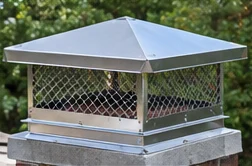
Fit a cap to help keep rain, debris, and animals out of the flue.
Get a free estimate →The parts of a chimney in the areas covered by this site age at different rates — mortar before brick, the damper before the firebox, the crown before the stack — and chimney Sweep checks each on its own clock.
 See service coverage
Learn about chimney sweep options in Philadelphia, Pennsylvania 19107. Contact Chimney Service Co for service availability.
Fit a cap to help keep rain, debris, and animals out of the flue.
Get a free estimate →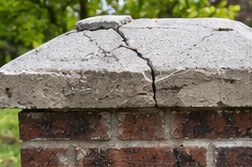
Check a loose or damaged cap and find out whether it can be repaired.
Get a free estimate →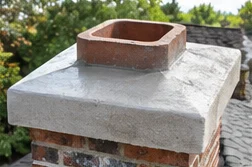
Replace a worn or missing cap with one sized for your chimney.
Get a free estimate →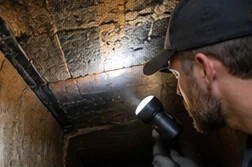
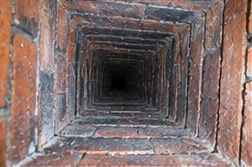
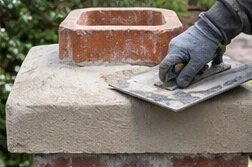
Repair cracks in the crown where water can seep into the masonry.
Get a free estimate →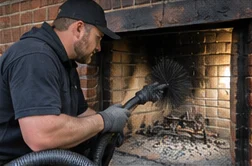
Tell us what you’ve noticed and share your ZIP code to check availability.
Get a free estimate →A home in Philadelphia, Pennsylvania 19107 may burn wood nightly or twice a season; chimney Sweep is scoped to how the fireplace is actually used, not to a template. The first question chimney Sweep answers in Philadelphia, Pennsylvania 19107 is never what to sell; it is what state the flue, the masonry, and the top of the chimney are actually in. A chimney is a working system, not just a brick stack: the firebox, damper, smoke chamber, flue, crown, and cap each do a job, and chimney Sweep in Philadelphia, Pennsylvania 19107 starts with how those parts are behaving together.
Call (888) 258-0797Service video pending verification.
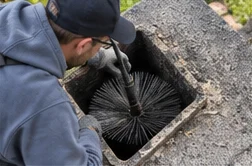 Watch: Chimney Services
Service video pending verification.
We are a 5-star review company — every job is backed by free estimates and same-day service.
We are a 5-star review company.
We serve areas in the states below and Washington, DC. Contact us to check availability for your ZIP code.
Select a topic to read the complete original local information.
A home in Philadelphia, Pennsylvania 19107 may burn wood nightly or twice a season; chimney Sweep is scoped to how the fireplace is actually used, not to a template. The first question chimney Sweep answers in Philadelphia, Pennsylvania 19107 is never what to sell; it is what state the flue, the masonry, and the top of the chimney are actually in. A chimney is a working system, not just a brick stack: the firebox, damper, smoke chamber, flue, crown, and cap each do a job, and chimney Sweep in Philadelphia, Pennsylvania 19107 starts with how those parts are behaving together.
Every chimney in Philadelphia, Pennsylvania 19107 has a history written in its flue: the wood that was burned, the fires that ran hot, the seasons it sat idle, and chimney Sweep reads that history before recommending anything. The visit for chimney Sweep in Philadelphia, Pennsylvania 19107 covers the firebox, the damper and smoke chamber, the flue, and the chimney top as one connected inspection path. The chimney serving a home in Philadelphia, Pennsylvania 19107 works in heat, weather, and water at the same time, and chimney Sweep is the visit that checks how it is standing up to all three.
Booking chimney Sweep in Philadelphia, Pennsylvania 19107 puts a set of eyes inside a part of the house that is otherwise never seen: the inside of the flue and the top of the stack. What chimney Sweep finds in Philadelphia, Pennsylvania 19107 is written down as it is found, so the homeowner hears the condition of their own chimney rather than a general script. Chimneys in Philadelphia, Pennsylvania 19107 share the same enemies — creosote, water, freeze-thaw cycles, and neglect — and chimney Sweep is organized around checking for each of them in turn.
In Philadelphia, Pennsylvania 19107, chimney Sweep is the difference between guessing at a chimney's condition and knowing it — the flue either is clear and sound, or the visit shows where it is not.
The 50 ZIP codes recorded for Philadelphia are not a mailing list; they are the registry's evidence of where service pages are published for this area. Because the registry is the source, the facts on this page for Philadelphia, Pennsylvania 19107 can be checked against it line by line: city, state, ZIP rows, and counts. Within Philadelphia, the ZIP rows — 19125, 19126, 19127, 19128, 19129, and 19130 — mark the neighborhoods the registry distinguishes, and a ZIP page speaks to its own row rather than to the city at large.
A reader in Philadelphia, Pennsylvania 19107 can verify the local footing of this page in its own facts: 50 ZIP codes for the city, named sibling cities, and the state totals behind them. Coverage in Pennsylvania is described city by city because that is how the registry is built: 366 city rows, each with its own ZIP rows beneath it. Pages like this one are published for registry locations only, which is why Philadelphia, Pennsylvania 19107 has a page and an unlisted settlement nearby does not.
The registry row for Philadelphia, Pennsylvania 19107 is the reason this page exists: a page is generated only where the registry of record carries the location. Homeowners comparing nearby coverage will find registry pages for Leechburg, Leetsdale, and Levittown as well, each written from its own registry row for that city. The registry's 489 ZIP rows across Pennsylvania are the full extent of the ZIP layer described on this site; nothing beyond them is implied.
The state hub for Pennsylvania gathers the registry's 366 cities in one place, and Philadelphia's pages link back to it as their parent in the registry tree. Philadelphia sits in a state registry of 366 cities and 489 ZIP codes, and the coverage described here traces to those rows rather than to a general claim about the region. Sibling coverage around Philadelphia — Leechburg, Leetsdale, and Levittown — follows the same rule: a registry row first, then a page, never the other way round.
Chimney Sweep in Philadelphia, Pennsylvania 19107 is documented as it proceeds, so the homeowner can follow what was found at each stage rather than receiving a single verdict at the end. During chimney Sweep in Philadelphia, Pennsylvania 19107, the damper is worked through its full travel, because a damper that stops short changes draft and lets heated room air escape all winter. The firebox is part of chimney Sweep in Philadelphia, Pennsylvania 19107: its floor, walls, and refractory joints are checked for the cracking that direct heat eventually causes.
In Philadelphia, Pennsylvania 19107, chimney Sweep pays attention to the smoke chamber, the sloped chamber above the firebox where smoke gathers before entering the flue and where parging often fails first. A sweep is also the moment when cracked tiles, open joints, and rusted parts are most likely to be spotted, and those findings are part of the visit's report. In Philadelphia, Pennsylvania 19107, that point matters in practice. The findings of chimney Sweep in Philadelphia, Pennsylvania 19107 are separated into cleaning findings, condition findings, and water findings, because each leads to a different next step.
The top of the chimney gets its share of chimney Sweep in Philadelphia, Pennsylvania 19107: crown, cap, and the visible flue tile are read for water entry and weather damage. A chimney sweep is the visit that cleans the flue and checks the system around it. For a home in Philadelphia, Pennsylvania 19107, the practical reading is the same. The sweep reads what comes out of the flue: the volume and type of creosote say a lot about how the fireplace is being burned and how much risk was sitting in the flue. For a home in Philadelphia, Pennsylvania 19107, the practical reading is the same.
In Philadelphia, Pennsylvania 19107, chimney Sweep uses brushes, rods, and vacuums sized and chosen for the flue in question — a round metal flue and a square tile flue are not worked the same way. The measure of chimney Sweep in Philadelphia, Pennsylvania 19107 is not the hour it takes but the state it leaves: a chimney whose condition is known, recorded, and acted on where it counts. In Philadelphia, Pennsylvania 19107, chimney Sweep closes by confirming the system as a whole: damper moving, flue clear, top sealed, and the homeowner told plainly what was seen.
Chimney Sweep in Philadelphia, Pennsylvania 19107 begins with the condition of the system in front of the technician, not with the service name on the booking. Homeowners in Philadelphia, Pennsylvania 19107 often learn more about their chimney from one chimney Sweep visit than from years of burning fires in it, because the visit looks where fires cannot show them. Where chimney Sweep in Philadelphia, Pennsylvania 19107 finds a defect beyond its own scope, the finding is reported with its evidence instead of being folded quietly into the visit.
The core of chimney Sweep in Philadelphia, Pennsylvania 19107 is the flue itself: its size, its lining, its buildup, and whether its joints are still closed. In Philadelphia, Pennsylvania 19107, chimney Sweep treats creosote as information as well as dirt — its amount and texture describe how the fireplace has been burned since the last visit.
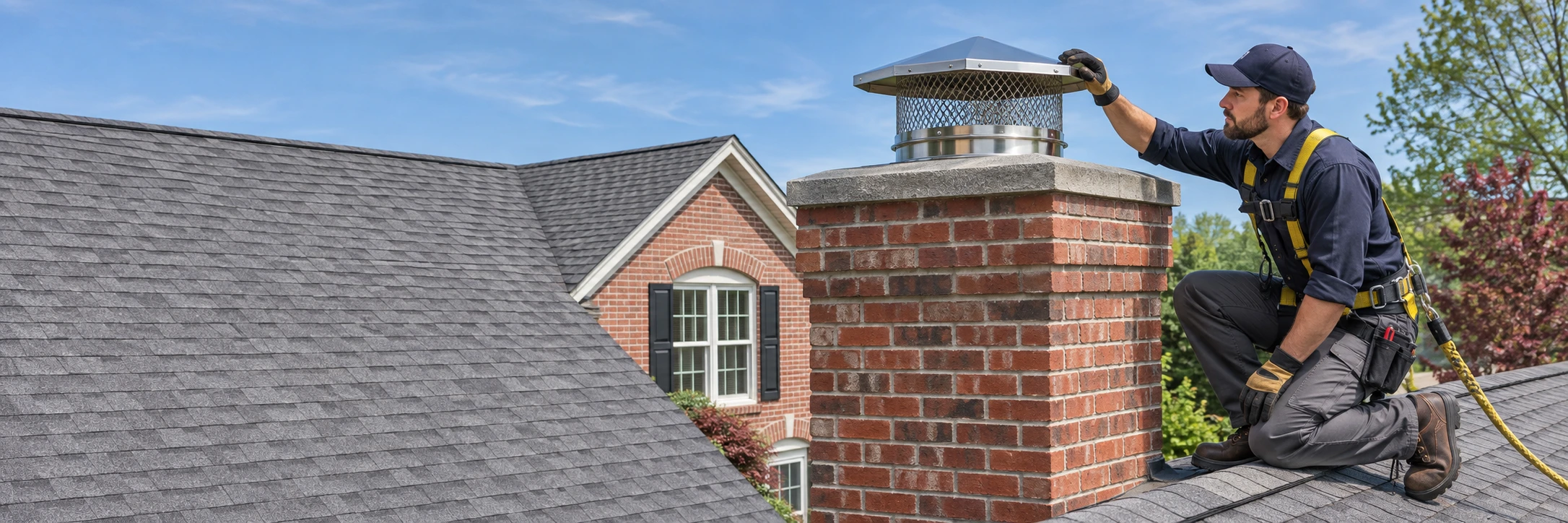
The registry page for Philadelphia, Pennsylvania 19107 carries chimney Cap Installation because the service is part of the full Chimney list of record, all nineteen services of which are published for this area. In Philadelphia, Pennsylvania 19107, chimney Cap Installation respects the same boundary as every visit: work is proposed from findings, and findings are shown, not summarised away. Chimney Cap Installation in Philadelphia, Pennsylvania 19107 protects the parts of the chimney that chimney Sweep does not touch, which is why the two are so often scheduled in the same season.
Stainless steel and copper caps resist rust far longer than galvanized steel, which matters because a rusted cap stains the crown and eventually fails. For a home in Philadelphia, Pennsylvania 19107, the practical reading is the same. What chimney Cap Installation finds in Philadelphia, Pennsylvania 19107 is recorded alongside the lead service's findings, so the chimney's record for the visit is one document, not two partial ones. If the flue tile is cracked at the top, that is noted before the cap goes on, because a cap cannot correct a damaged tile. In Philadelphia, Pennsylvania 19107, the observation is recorded the same way.
In Philadelphia, Pennsylvania 19107, chimney Cap Installation is scheduled through the same number, (888) 258-0797, and described with the same free-estimates offer as every service here. In Philadelphia, Pennsylvania 19107, chimney Cap Installation finishes with the same standard as any service on this page: the affected component working, sealed, or sound, and the result explained in plain terms. The need for chimney Cap Installation in Philadelphia, Pennsylvania 19107 usually shows itself indirectly — a leak whose source is elsewhere, a draft problem whose cause sits in another component.
Chimney Cap Installation in Philadelphia, Pennsylvania 19107 is the service most often paired with the lead topic on this page, and it is covered here so the two can be told apart. The materials used in chimney Cap Installation in Philadelphia, Pennsylvania 19107 are chosen for heat, weather, or water as the component demands — the chimney's three working conditions. In Philadelphia, Pennsylvania 19107, chimney Cap Installation addresses a different part of the system than chimney Sweep, and booking the right one starts with knowing which part has failed.
For a home in Philadelphia, Pennsylvania 19107, chimney Cap Installation is not an add-on but a distinct job with its own materials, access, and finish checks. The mesh around the cap body also keeps birds, squirrels, and raccoons from nesting inside the flue, and it acts as a basic spark arrestor for embers carried up the chimney. In Philadelphia, Pennsylvania 19107, the observation is recorded the same way. During chimney Cap Installation in Philadelphia, Pennsylvania 19107, the same inspection discipline applies: evidence first, then work scoped to what the evidence shows.
Homeowners in Philadelphia, Pennsylvania 19107 sometimes book chimney Cap Installation expecting it to fix a symptom that belongs to chimney Sweep; the visit sorts out which is which before work starts. In Philadelphia, Pennsylvania 19107, chimney Cap Installation stands on its own as a bookable service; it is described here in depth because homeowners weigh it against chimney Sweep when they plan a visit.
A visit in Philadelphia, Pennsylvania 19107 starts at the hearth: the firebox is inspected, the damper is tried, and drop protection goes down before any brush enters the flue. In Philadelphia, Pennsylvania 19107, the sequence is deliberate — look, then clean or open, then decide — because work done before the inspection is work done blind. Findings in Philadelphia, Pennsylvania 19107 are recorded in the order they are met — firebox, damper, smoke chamber, flue, top — which is the order smoke itself travels.
Booking in Philadelphia, Pennsylvania 19107 asks for the basics — what the homeowner has noticed, when it started, and how the fireplace is used — because those answers shape the visit. The close of a visit in Philadelphia, Pennsylvania 19107 is a walkthrough: what was done, what was found, what is worth watching, and what, if anything, is proposed next. The visit in Philadelphia, Pennsylvania 19107 produces a record the homeowner keeps, so the next visit — whenever it comes — starts from evidence rather than from memory.
A visit in Philadelphia, Pennsylvania 19107 ends with the fireplace usable or with a clear statement of why it should not be used yet — never with the question left hanging. In Philadelphia, Pennsylvania 19107, questions during the visit are answered at the component being discussed, with the part in view, which is when explanations actually make sense. Photographs or camera views gathered in Philadelphia, Pennsylvania 19107 belong to the visit's record and back the findings the homeowner is given.
Access in Philadelphia, Pennsylvania 19107 is arranged around the house as it is: furniture moved or covered, the hearth sealed, and the work area left vacuumed at the end. The homeowner in Philadelphia, Pennsylvania 19107 is told what the visit will cover before it starts, and anything found outside that scope is raised as a finding, not absorbed silently.
Water dripping into the firebox in Philadelphia, Pennsylvania 19107 during rain is the chimney announcing its leak at the end of the path; the entry point is found at the top or the roof joint. In Philadelphia, Pennsylvania 19107, animals heard in the flue — scratching, chirping, fluttering — mean the cap is missing or failed, and nesting material in a flue is a blockage and a fire load. A cap found in the yard in Philadelphia, Pennsylvania 19107 after a storm means the flue has been open to rain and animals since it came off, however long ago that was.
White staining on the exterior brick of a chimney in Philadelphia, Pennsylvania 19107 — efflorescence — is water moving through the masonry and leaving salts behind, an early leak warning. Soot that appears on furniture near the fireplace in Philadelphia, Pennsylvania 19107 between fires suggests the damper seal or the flue's draw is not right. In Philadelphia, Pennsylvania 19107, smoke that rolls back into the room when a fire is lit is a sign the flue, the damper, or the house's air pressure needs attention.
A damper in Philadelphia, Pennsylvania 19107 that will not close fully costs heat all winter; one that will not open makes the first fire of the season a smoky one. In Philadelphia, Pennsylvania 19107, a leaning or separating chimney stack is a structural sign, not a cosmetic one, and it belongs in a rebuild conversation rather than a patching one. In Philadelphia, Pennsylvania 19107, creosote visible as a shiny, tar-like glaze at the damper is the stage of buildup that ordinary brushing cannot remove, and it is the most fire-prone form.
Fires in Philadelphia, Pennsylvania 19107 that have grown hard to light, or that die without fresh air from a cracked window, are describing a draft problem with a physical cause. In Philadelphia, Pennsylvania 19107, black staining spreading above the fireplace opening means smoke is escaping the firebox instead of entering the flue — a damper or smoke-chamber finding.
In Philadelphia, Pennsylvania 19107, maintenance ends where repair begins, and the visit's job is to say plainly which side of that line each finding sits on. A chimney in Philadelphia, Pennsylvania 19107 that sits unused still needs its cap and crown checked, because rain and animals do not wait for the burning season. In Philadelphia, Pennsylvania 19107, the water repellent question belongs to maintenance: sound, dry masonry can be treated to shed rain; failed masonry must be repaired first, not coated over.
Between visits, a Philadelphia, Pennsylvania 19107 homeowner's maintenance is mostly observation: the cap still on, no new staining, the damper still moving freely. A chimney in Philadelphia, Pennsylvania 19107 that burns wood regularly earns its sweeping from use: the more fires, and the greener the wood, the faster creosote accumulates. A Philadelphia, Pennsylvania 19107 homeowner who notices a change — new smell, new stain, weaker draft — and books on the change is doing maintenance exactly right.
In Philadelphia, Pennsylvania 19107, a maintenance rhythm — sweep, inspect, attend to the top — costs less across a decade than any single rebuild it prevents. Ash in a Philadelphia, Pennsylvania 19107 firebox should be kept shallow — a thin bed protects the floor, but a deep one buries the grate and hides the firebox floor's condition. Glass doors and screens in Philadelphia, Pennsylvania 19107 are part of the system too — their seals and fit affect how the fire draws and how much room air the flue pulls.
The cheapest chimney in Philadelphia, Pennsylvania 19107 to own is the one whose small findings were handled in the season they appeared. In Philadelphia, Pennsylvania 19107, keeping trees trimmed back from the chimney reduces leaf load in the flue's exit path and keeps branches off the cap in storms.
Planning chimney work in Philadelphia, Pennsylvania 19107 starts with the finding, not the calendar: some work is urgent because the fireplace is unsafe to use, and some is seasonal because access and curing favour dry weather. In Philadelphia, Pennsylvania 19107, the plan for a chimney with several findings is staged by risk — fire risk first, water second, cosmetics last — and the staging is explained, not just scheduled. In Philadelphia, Pennsylvania 19107, a plan is only as good as its evidence, and the evidence standard here is the visit record: photographs, camera views, and findings in writing.
Planning in Philadelphia, Pennsylvania 19107 also means knowing what not to do: not burning in a flue with a failed liner, not coating failed masonry, not sealing a chimney's top in a way that traps moisture. In Philadelphia, Pennsylvania 19107, free estimates are offered before any work is scheduled, so the planning conversation starts from a written scope rather than from a guess. In Philadelphia, Pennsylvania 19107, masonry work is planned for conditions that let mortar cure — a fact of the material that no schedule pressure changes.
A Philadelphia, Pennsylvania 19107 homeowner selling or buying should plan the inspection early, because chimney findings are far easier to address before a closing date is fixed. In Philadelphia, Pennsylvania 19107, larger work — relining, rebuilding — is planned with its access in mind: roof access, scaffold where needed, and the order in which trades touch the same stack. In Philadelphia, Pennsylvania 19107, planning around the burning season matters: work finished before the first cold spell means the fireplace is ready when it is wanted.
The estimate for work in Philadelphia, Pennsylvania 19107 describes the component, the finding behind it, and the work proposed — the same three-part shape as the visit record.
A homeowner in Philadelphia, Pennsylvania 19107 rarely needs the whole list; the visit's findings point at the one or two services the chimney in front of us actually requires. The nineteen Chimney services published for Philadelphia, Pennsylvania 19107 divide by component: the cap and crown at the top, the flashing at the roof, the flue inside, the masonry of the stack, and the cleaning and inspection that watch over all of them. In Philadelphia, Pennsylvania 19107, installation, repair, and replacement are three different answers to the same component's three different conditions — absent, damaged, and failed — and the services are named that way on purpose.
In Philadelphia, Pennsylvania 19107, chimney Sweep and chimney Cap Installation sit in different parts of that map, which is why this page gives each its own depth section. In Philadelphia, Pennsylvania 19107, chimney Sweep is described by its work, chimney Cap Installation by its own, and neither borrows the other's description to fill a page. In Philadelphia, Pennsylvania 19107, cleaning and inspection are the watching services; the repair, replacement, and rebuild services are the acting ones — and the watching services are what tell the acting ones where to go.
Chimney Cap Repair is part of the same list for Philadelphia, Pennsylvania 19107, and its page carries the same structure: what the work involves, how a visit proceeds, and what it leaves behind. The service list for Philadelphia, Pennsylvania 19107 is the categories list of record for Chimney, unchanged: nineteen services, each with its own page, its own modules, and its own findings pattern.
People in Philadelphia, Pennsylvania 19107 ask what a visit leaves behind: a cleaned or opened system as scoped, a written record of findings, and proposals separated from the work already done. Homeowners in Philadelphia, Pennsylvania 19107 ask how often to book; the answer follows use — wood type, fire frequency, and what the last visit found — not a fixed slogan. In Philadelphia, Pennsylvania 19107, the question behind most questions is trust, and it is answered the same way every time: findings shown, options explained, no work beyond the agreed scope.
Homeowners in Philadelphia, Pennsylvania 19107 ask how a booking works: call (888) 258-0797, describe what has been noticed, and the visit is scoped from that description and confirmed on arrival. In Philadelphia, Pennsylvania 19107, homeowners ask whether an estimate commits them; free estimates are offered before work is scheduled, and the decision stays with the homeowner. In Philadelphia, Pennsylvania 19107, people ask about mess; the work area is sealed and vacuumed as the work proceeds, and the room is handed back clean.
In Philadelphia, Pennsylvania 19107, the common question is whether a finding means the fireplace can be used tonight — and the answer is given plainly, per finding, at the visit. A fair question in Philadelphia, Pennsylvania 19107 is how the right service is chosen — and the honest answer is that the chimney chooses it, through what the inspection finds.
The registry brought this page to Philadelphia, Pennsylvania 19107; the work it describes is how a registry locality becomes a served one, visit by visit. A chimney in Philadelphia, Pennsylvania 19107 that is cleaned, inspected, and kept dry at the top will serve for decades; the services here exist to keep it in exactly that condition. In Philadelphia, Pennsylvania 19107, the chimney's condition is knowable — that is the whole premise of the services on this page — and chimney Sweep is how it becomes known.
For Philadelphia, Pennsylvania 19107, the summary is short: the flue, the masonry, the top, and the water paths, checked as one system and reported as one record. We are local and we provide grade a cleaning and repair services, and in Philadelphia, Pennsylvania 19107 that sentence is cashed out as registry-anchored pages, written findings, and work scoped to evidence. Free estimates are offered in Philadelphia, Pennsylvania 19107 before any work is scheduled, so the next step — call (888) 258-0797 — costs nothing but the call.
Chimney Sweep in Philadelphia, Pennsylvania 19107 is scoped from the condition of the chimney in front of us: the firebox, damper, smoke chamber, flue, and the top of the stack are looked at, and the work follows what that inspection finds.
Chimney Cap Installation is the right service in Philadelphia, Pennsylvania 19107 when the finding belongs to its component rather than to chimney sweep — the visit separates the two before any work is proposed.
The approved registry lists 50 ZIP codes for Philadelphia, including 19152, 19153, 19154, 19102, 19103, and 19104.
Call (888) 258-0797 and describe what you have noticed — smoke behavior, staining, a smell, a part that has stopped working — and the visit is scoped from that description.
Yes, free estimates are offered before any work is scheduled.
We are a 5-star review company.
Choose a service and share your ZIP code so we can follow up.
Call (888) 258-0797 to ask about availability.